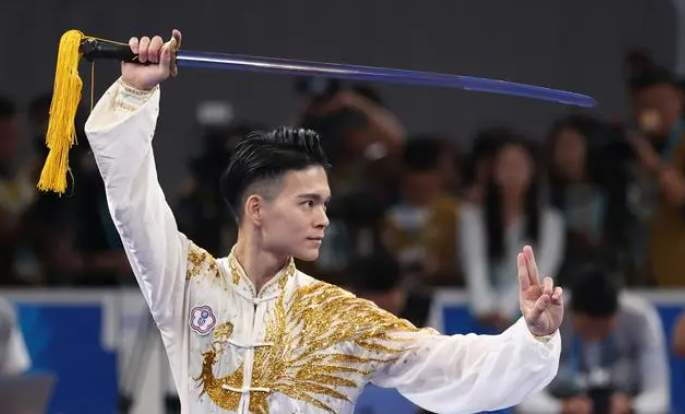
Tai Chi Sword
Introduction
Tai Chi Sword, or Taijijian (太极剑), is a traditional form of martial arts stemming from the broader practice of Tai Chi Chuan (太极拳). It is characterized by the graceful and flowing movements of Tai Chi combined with the precise and expressive techniques of Chinese swordplay. The practice of Tai Chi Sword not only enhances physical health and martial skills but also focuses on cultivating inner peace and mental clarity, embodying the philosophy of balance intrinsic to Tai Chi.
Historical Background
Tai Chi Sword has its origins in the ancient practice of Tai Chi, a martial art that dates back several centuries and draws from Taoist philosophy. The development of Tai Chi as a martial art is attributed to legendary figures such as Chen Wangting, the founder of Chen-style Tai Chi, who lived in the late Ming and early Qing dynasties. Tai Chi Sword evolved as an extension of Tai Chi Chuan, incorporating sword techniques that were likely influenced by other traditional Chinese martial arts, including Wudang swordsmanship. Over time, it became a distinct form within the Tai Chi family, celebrated for its aesthetic beauty and practical applications.
Significance in Chinese Culture
Tai Chi Sword holds a significant place in Chinese culture as a bridge between martial arts and philosophical practice. It emphasizes the harmony between movement and stillness, aligning with Taoist principles of balance between Yin and Yang. The sword, a potent symbol in Chinese culture, represents clarity, focus, and the ability to cut through illusion and confusion. Practicing Tai Chi Sword offers a way to engage with these cultural and philosophical ideas physically and mentally.
Components and Techniques
The practice of Tai Chi Sword involves a series of choreographed forms, known as "jianzhao" (剑招), which translate to sword movements. These forms are designed to cultivate coordination, balance, and focus. Some key techniques include slicing, thrusting, and parrying with the sword, each movement executed with precision and control. Practitioners often perform these movements slowly to emphasize control and alignment, allowing for the cultivation of "Qi" (气), or life energy, which flows through the body in accordance with Tai Chi principles.
Sword Forms
The forms of Tai Chi Sword vary according to different styles of Tai Chi. Common forms include the 32-Step Sword Form and the 42-Step Sword Form, which are practiced widely by enthusiasts and used in competitions. Each form consists of a sequence of techniques that flow seamlessly from one to the next, often accompanied by deep breathing to enhance the meditative aspect of the practice.
Integration with Tai Chi Philosophy
Integral to Tai Chi Sword is the concept of using the sword as an extension of one's body and mind. Practitioners focus on achieving a clear mind and a relaxed body, allowing the sword to become a conduit for expressing inner energy and intention. This aspect of Tai Chi Sword practice reflects the broader Tai Chi philosophy of achieving balance and harmony both internally and with the external environment.
Health Benefits
The practice of Tai Chi Sword offers numerous health benefits, making it popular among various age groups. Its slow and deliberate movements promote flexibility, strength, and balance, which are particularly beneficial for aging populations. Research by institutions such as Harvard Medical School suggests that Tai Chi and its related forms, like Tai Chi Sword, can aid in preventing and treating a range of health issues, including stress, arthritis, and cardiovascular conditions. The gentle nature of the exercise makes it accessible to people of all ages and fitness levels.








